
The Future of Influencer Marketing: From Hype to better Performance
What does the future of influencer marketing reveal today in 2026 ? Influencer marketing was once the fastest shortcut to sales. Brands would send products to creators, receive polished posts in return, and watch revenue grow almost instantly. It felt effortless. Predictable. Scalable. But that era is over.
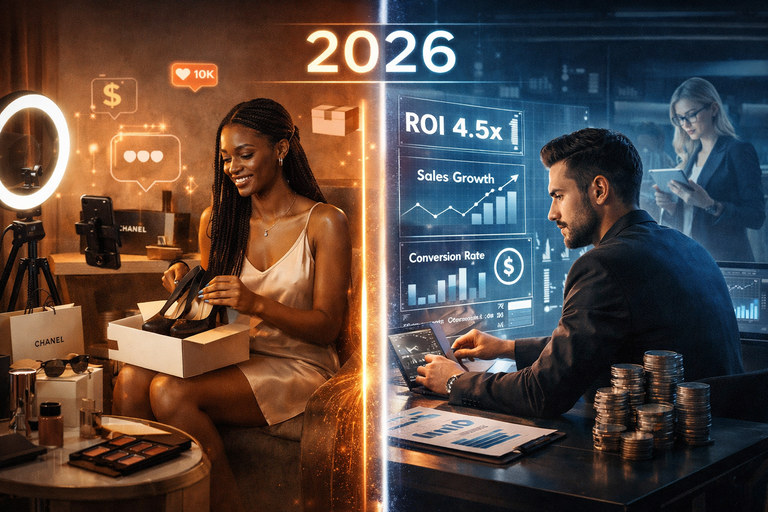
Today, the future of influencer marketing is no longer about visibility—it’s about performance, accountability, and measurable return.
The Old Model: Visibility = Revenue
The original influencer marketing model was simple:
- Send free products (or pay a flat fee)
- Get exposure through posts
- Expect conversions to follow
And for a time, it worked. Social media was less saturated. Audiences trusted creators more. Sponsored content felt organic.
The Current Reality: Expensive and Unpredictable
Fast forward to today—and everything has changed.
1. Influencers Are Expensive
Top creators now charge thousands (sometimes millions) per campaign. Even mid-tier influencers demand significant upfront investment.
2. ROI Is Inconsistent
There is no guarantee of performance.
You can spend heavily… and get little to no return.
3. You Pay Before Results
Brands assume all the risk because Payment is upfront and conversion is uncertain.
4. Consumers See Through It
Audiences instantly recognize:
- Paid partnerships
- Sponsored content
- Inauthentic recommendations
Trust has dropped.
5. Attention ≠ Conversion
People scroll faster than ever.
Content gets seen—but not necessarily acted on.
👉 Visibility no longer equals sales.
The Shift: A Necessary Correction
We are entering a correction phase.
If a model doesn’t generate measurable returns, it doesn’t survive.
Influencer marketing isn’t dying—
it’s being rebuilt.
What’s Replacing It: Affiliate-Driven Creator Ecosystems
The future is clear:
👉 Affiliate marketing + creators = performance-based influence
The future of influencer marketing : How It Works
- Creators receive unique links or discount codes
- They earn a commission on every sale
- Brands only pay when revenue is generated
No sales = no cost
From Influencers to Distribution Channels
Instead of relying on a few large influencers, brands are now building:
Creator Armies
- Hundreds or thousands of micro-creators
- Consistent content output
- Trackable and scalable revenue streams
Creators are no longer just promoters.
They are performance-driven distribution channels.
Case Studies: The New Growth Engines
Gymshark
- Built one of the earliest hybrid models
- Long-term ambassadors (“Gymshark athletes”)
- Community-driven growth
- Billion-dollar brand powered by creators
Bloom Nutrition
- Aggressive TikTok affiliate strategy
- Thousands of micro-creators posting daily
- Commission-based incentives (5%–20%)
- Massive scale through UGC-style content
Olaplex
- Focus on product performance and education
- Strong affiliate presence across platforms
- Beauty creators, hairstylists, YouTubers
- High conversion through visible results
Why This Model Wins
✔ Lower Risk
No upfront spend without return
✔ Direct Revenue Link
Every dollar spent is tied to performance
✔ Scalable System
Growth comes from volume, not virality
✔ Incentive Alignment
Creators win when brands win
How to Build an Affiliate Creator Engine
1. Start with Smaller Creators
- Micro-creators convert better
- Trust is still intact
- You’re buying influence, not reach
2. Design a Strong Commission Model
- 5%–20% is common
- Must be attractive enough to motivate effort
- High incentives = higher output
3. Build Frictionless Tracking
- Unique links and codes
- Clear dashboards
- Accurate attribution
👉 If tracking is broken, the system fails.
4. Optimize for Volume, Not Perfection
- More creators = more touchpoints
- UGC over polished campaigns
- Consistency beats aesthetics
5. Identify and Scale Winners Fast
- Double down on top performers
- Increase commissions or visibility
- Turn them into long-term partners
6. Turn Affiliates into Brand Assets
- Build relationships
- Create ambassador programs
- Develop community-driven ecosystems
Conclusion: The New Era of Influence
The future of influencer marketing is not about fame.
It’s about performance, systems, and scalable distribution. According to Influencer Marketing Hub, brands are facing increasing challenges in measuring ROI from traditional influencer campaigns.
The brands that win will not be the ones with the biggest influencers—
but the ones with the strongest creator ecosystems.
Explore our latest insights in What’s Trendy